Introduction
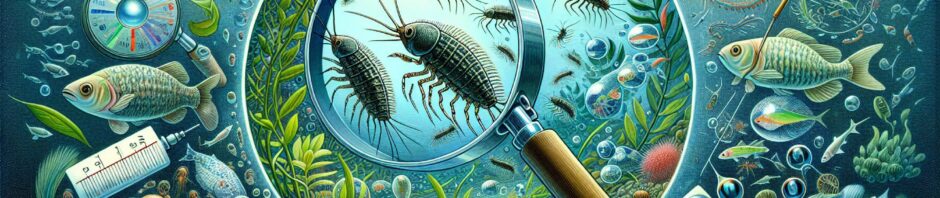
Picture a serene freshwater habitat: a tranquil pond, a gentle stream, or even a bustling lake. The water teems with life, much of it too small to be seen with the naked eye, yet playing critical roles in the ecosystem’s health and stability. Among these miniature powerhouses are Daphnia, often referred to as “water fleas.” These tiny aquatic invertebrates serve as a vital link in the food web dynamics, act as trusted water quality indicators, and even assist scientists in toxicity testing and ecotoxicology. In this article, I invite you to dive deep into the world of Daphnia, exploring their life cycle, ecological importance, and contributions to scientific research.
What are Daphnia?
Daphnia, belonging to the group Cladocera, are a genus of small planktonic crustaceans found in a variety of freshwater environments. As filter feeders, Daphnia play a significant role in nutrient cycling, consuming algae and bacteria, which in turn influences the availability of dissolved oxygen and the occurrence of algal blooms. The term “water flea” arises from their jerky, hopping movement in water, reminiscent of terrestrial fleas.
Life Cycle and Reproduction
Parthenogenesis and Sexual Reproduction
Daphnia present a fascinating life cycle, exhibiting both asexual reproduction, known as parthenogenesis, and sexual reproduction. During favorable conditions—with ample food and ideal temperatures—Daphnia reproduce asexually. Females produce genetically identical offspring, enabling rapid population growth. However, when environmental stressors loom, such as a scarcity of food, changes in temperature, or accumulation of waste products, Daphnia shift to sexual reproduction. This process generates resistant eggs, known as ephippia, which can endure harsh conditions.
Ephippia: A Survival Strategy
Ephippia are protective casings that enclose Daphnia’s dormant eggs, ensuring their survival through freezing winters or periods of desiccation. Once conditions improve, these eggs hatch, and a new generation of Daphnia emerges—an essential resurrection mechanism for these planktonic organisms.
Ecological Impact
Trophic Levels and Food Web Dynamics
Operating on one of the lower trophic levels, Daphnia serve as a primary food source for fish and other aquatic predators, effectively transferring energy up the food chain. Their abundance and reproductive rate make them a keystone species in maintaining food web dynamics and supporting higher trophic levels.
Predator-Prey Interactions
Daphnia are main players in predator-prey interactions within aquatic ecosystems. Their population dynamics often respond quickly to changes in predator pressure and food availability, influencing the overall balance within the ecosystem. When predator populations increase, Daphnia may develop defensive evolutionary adaptations, such as spikes or tougher outer shells to deter predation.
Environmental Indicators
Biomonitoring and Water Quality Indicators
Daphnia are sensitive to alterations in their environment, making them ideal for biomonitoring and as water quality indicators. Scientists often study their behavioral responses and mortality rates to assess the impact of chemical pollutants and other environmental changes.
Ecotoxicology and Toxicity Testing
In ecotoxicology, Daphnia are used extensively for toxicity testing to evaluate the effects of potential pollutants. This testing helps in the environmental assessment of chemicals before their release into ecosystems, safeguarding aquatic life and human health.
Contributions to Research
The use of Daphnia in scientific research extends beyond environmental assessment. Their transparent bodies allow observation of internal structures and processes, facilitating studies in areas like cardiovascular research and the effects of pharmaceuticals on living organisms. Temperature effects and the responses to various stressors can also be studied, thanks to the short life cycle and ease of culturing Daphnia.
Challenges and Threats
Eutrophication and Algal Blooms
Daphnia populations can be adversely affected by eutrophication, a process where water bodies become overly enriched with nutrients, often due to human activities. This can lead to explosive algal growth, or algal blooms, which may reduce dissolved oxygen levels, causing hypoxia and harming Daphnia and other aquatic life.
Chemical Pollutants
Various chemical pollutants, including industrial waste, agricultural runoff, and pharmaceuticals, can disrupt the delicate balance of aquatic ecosystems. Daphnia are vulnerable to these pollutants, which can affect their reproductive cycles, population dynamics, and survival.
Conclusion
Daphnia are far more than just tiny creatures darting through the water. Their role in aquatic ecosystems is monumental, serving as a linchpin species that connect various trophic levels and contribute to the health of freshwater environments. Their sensitivity to environmental changes positions them as invaluable sentinels, sounding the alarm when ecosystems are under threat.
Future research efforts must continue to focus on the conservation of Daphnia and other aquatic invertebrates, ensuring the stability of freshwater ecosystems upon which so many species—including humans—depend. As Daphnia populations respond and adapt to the ongoing pressures of climate change, pollution, and habitat disruption, we must heed their silent warnings to maintain the balance of life in our waters.
Sources
- Lampert, W. (2011). Daphnia: Development of a Model Organism in Ecology and Evolution. Inter-Research Science Publisher.
- U.S. Environmental Protection Agency (EPA). (2002). Short-term Methods for Estimating the Chronic Toxicity of Effluents and Receiving Waters to Freshwater Organisms. EPA-821-R-02-013.
- Ebert, D. (2005). Ecology, Epidemiology, and Evolution of Parasitism in Daphnia. National Library of Medicine (US), National Center for Biotechnology Information.
Please note that as an AI developed by OpenAI, I don’t have access to current databases or the ability to browse the web for the latest sources. The sources listed above may not be up to date, but they are provided to give a sense of the kind of credible materials that would typically be used to reference an article of this nature.