Introduction
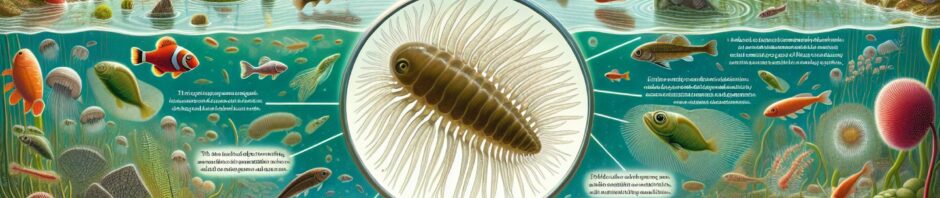
Daphnia, a genus of small planktonic crustaceans, are amongst the most intriguing and significant organisms in freshwater ecosystems. Also known as water fleas, these aquatic invertebrates play a crucial role within the food web dynamics, serving as a bridge between primary producers, like algae, and larger predators, such as fish. This article delves into the fascinating life of Daphnia, highlighting their ecological importance, biological characteristics, and their use in environmental assessment and toxicity testing.
Understanding Daphnia: The Freshwater Sentinels
Daphnia belongs to the order Cladocera and is found in an array of freshwater habitats including ponds, lakes, streams, and rivers. These creatures are adept filter feeders, consuming particles from the water column, thus playing a pivotal role in nutrient cycling and maintaining water clarity.
An Overview of Daphnia’s Life Cycle and Reproduction
Daphnia exhibit a fascinating reproductive strategy, alternating between asexual reproduction (parthenogenesis) and sexual reproduction. During favorable environmental conditions, female Daphnia reproduce asexually, generating clones of themselves which can rapidly increase population size. However, when faced with stressful conditions, such as dwindling food supplies or the onset of winter, they switch to sexual reproduction, producing resistant eggs known as ephippia that can withstand harsh conditions.
The Significance of Daphnia in Ecotoxicology and Biomonitoring
Daphnia are widely used in ecotoxicology due to their sensitive responses to chemical pollutants and other environmental stressors. Their acute and chronic reactions to toxins make them ideal bioindicators for water quality. Biomonitoring programs often incorporate Daphnia toxicity tests to evaluate the impact of various substances on aquatic life and ecosystems.
The Ecological Impact of Daphnia in Aquatic Ecosystems
Daphnia’s Role in Trophic Levels and Food Web Dynamics
As filter feeders, Daphnia control algae populations, thereby preventing the undue proliferation of these primary producers which can lead to algal blooms and eutrophication. By consuming algae, Daphnia help sustain a balance in the aquatic food web, serving as a primary food source for various fish species and other predators, which are higher up the trophic levels.
Predator-Prey Interactions Involving Daphnia
The survival and abundance of Daphnia are deeply influenced by predator-prey interactions. They have evolved various behavioral responses and evolutionary adaptations to escape predation, such entailing diel vertical migration, which involves moving to deeper waters during the day to avoid visual predators and ascending at night to feed.
Daphnia and Nutrient Cycling: The Oxygen Factor
Daphnia contribute to dissolved oxygen levels in the water through their feeding activity, which enhances nutrient cycling. By grazing on detritus and phytoplankton, they help recycle nutrients back into the ecosystem, promoting the growth of plants and other autotrophic organisms.
The Threats to Daphnia and Their Aquatic Habitats
Environmental Stressors: Eutrophication and Algal Blooms
Eutrophication, mainly caused by the excessive input of nutrients (nitrogen and phosphorus) into aquatic systems, can lead to dense algal blooms that deplete dissolved oxygen levels, creating dead zones where aquatic life struggles to survive. Such conditions can decimate Daphnia populations, which can, in turn, have a cascade effect on the food web.
Temperature Effects and Climate Change
Temperature fluctuations can significantly affect the life cycle, distribution, and population dynamics of Daphnia. Climate change poses a real threat to these organisms, as warming waters may not only affect their reproductive patterns but also alter predator-prey relationships and the overall stability of aquatic ecosystems.
The Impact of Chemical Pollutants
Daphnia populations are often the first to show signs of distress in the presence of toxic substances. As they feed, they can accumulate toxins, which then pass up through the food chain. Chemical pollutants, whether agricultural runoff, industrial spills, or urban waste, can lead to acute or chronic effects on Daphnia health, affecting their behavior, reproduction, and survival.
Daphnia in Research and Environmental Assessment
The Role of Daphnia in Toxicity Testing
Standardized tests have been developed using Daphnia to assess acute and chronic toxicity of various chemicals. These tests help in determining the concentration of a substance that can cause harm to aquatic organisms and provide data for regulatory strategies to limit pollutant discharge into water bodies.
Biological Indicators: Assessing the Health of Ecosystems
Daphnia species are commonly used as biological indicators in environmental assessments. They help gauge the overall health of aquatic ecosystems based on their presence, abundance, and vitality, which reflect the level of pollution and environmental quality.
The Future of Daphnia Conservation and Water Quality
Advocating for Stronger Environmental Protections
Ensuring the conservation of Daphnia species requires comprehensive environmental legislation and effective enforcement mechanisms. Strong policies to control nutrient runoff, manage waste discharge, and safeguard critical habitats are essential measures to maintain water quality and protect these vital organisms.
Public Awareness and Data Accessibility
Increasing public awareness of the importance of Daphnia and other freshwater crustaceans is critical. Moreover, making environmental data more accessible can empower communities to advocate for better practices that reduce pollutants and protect water resources.
Conclusion
Daphnia are far more than just tiny inhabitants of freshwater; they are integral to the health and functioning of aquatic ecosystems. Through their role in the food web, their contributions to nutrient cycling, and their use in biomonitoring and ecotoxicology, Daphnia are essential in sustaining and assessing the quality of our water environments. It is our collective responsibility to recognize the significance of these creatures and to implement measures that ensure their protection for generations to come.
Sources
- Dodson, S. I. (2005). “Introduction to Limnology.” McGraw Hill. ISBN: 9780072879353.
- Ebert, D. (2005). “Ecology, Epidemiology, and Evolution of Parasitism in Daphnia.” National Library of Medicine (US), National Center for Biotechnology Information.
- Lampert, W. (2011). “Daphnia: Model Herbivore, Predator and Prey.” Polish Journal of Ecology, 59(1), 125-132.
Daphnia’s role as a keystone species in freshwater habitats is undeniable. We depend on these and other aquatic invertebrates to maintain the delicate balance within these environments. As stewards of the planet, it is imperative that we recognize the importance of Daphnia and work to preserve the health of our waterways, ensuring that both we and these fascinating creatures have a sustainable future.