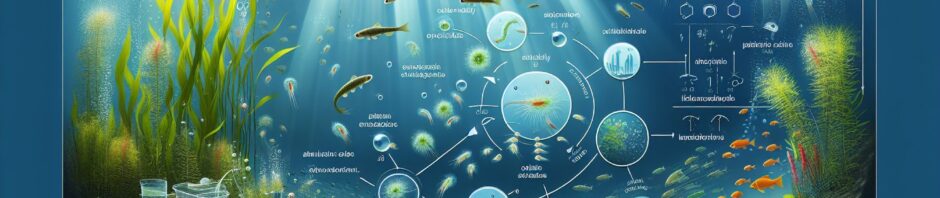
Water is the lifeblood of our planet. It sustains vast ecosystems, supports complex food webs, and underpins human and ecological health. Hidden within this aqueous world are microscopic organisms, which, despite their diminutive size, play a colossal role in the inner workings of aquatic environments. Among these is Daphnia, a common representative of the Cladocera, a subset of freshwater crustaceans inhabiting ponds, lakes, and streams. This article dives deep into the world of Daphnia, unraveling their ecological significance and the insights they offer into environmental assessment and water quality.
Ecological Importance of Daphnia
Daphnia, sometimes referred to as “water fleas,” belong to a broader group known as zooplankton. These tiny planktonic organisms are essential to maintaining the balance of aquatic ecosystems. As filter feeders, Daphnia sieve through the water, consuming algae, bacteria, and aquatic invertebrates. Through this activity, they serve as both prey and predator, taking up their position in the complex intricacies of food web dynamics and influencing trophic levels throughout the aquatic environment.
Role in Nutrient Cycling and Water Clarity
Daphnia contribute significantly to nutrient cycling by excreting waste that becomes available to other organisms, like algae and bacteria. Their feeding process helps maintain water transparency, which is crucial for the penetration of sunlight and the health of photosynthetic life forms.
This filtering also helps control algal populations. In environments where Daphnia are abundant, they can effectively prevent the onset of harmful algal blooms that may otherwise result from eutrophication, the excessive enrichment of water bodies with nutrients like nitrogen and phosphorus.
Impact on Dissolved Oxygen and Temperature Effects
The respiration of Daphnia, together with their effect on algal populations, influences levels of dissolved oxygen in water—an essential element for aerobic life. By managing algal blooms, they mitigate the overnight depletion of oxygen that can occur when large algal populations respire. Moreover, temperature effects can alter the metabolism of Daphnia, and subsequently, their role in the ecosystem. Warmer temperatures typically boost metabolism, leading to increased feeding rates but can also put stress on these organisms if the temperature exceeds their tolerance threshold.
Daphnia as Ecological Indicators
Due to their sensitivity to changes in their environment, Daphnia species are widely recognized as valuable indicators of ecological integrity and water quality. Their prominence in biomonitoring programs, toxicity testing, and ecotoxicology studies facilitates the environmental assessment of pollutants and other stressors affecting water bodies.
Use in Biomonitoring and Toxicity Testing
Daphnia’s rapid life cycle changes and behavioral responses make them ideal subjects for toxicity testing. They are used in laboratories worldwide to evaluate the effects of chemical pollutants, pesticides, and industrial effluents. Changes in their swimming patterns, reproduction rates, and mortality provide vital data on the toxicity levels of various substances. Consequently, Daphnia serve as a first line of insight into the health of aquatic ecosystems, helping to inform environmental policies and management strategies.
Sensitivity to Environmental Changes
Their quick responses to alterations in water quality, including shifts in dissolved oxygen, pH, and the presence of toxic substances, position Daphnia as excellent water quality indicators. Monitoring populations of Daphnia can signal the early onset of environmental deterioration, prompting preemptive action to mitigate damage.
Daphnia’s Life Cycle and Reproduction
Understanding the life cycle and reproduction strategies of Daphnia is integral to appreciating their role in the environment and their application in scientific study. Daphnia exhibit a fascinating reproductive strategy: they can reproduce both asexually through parthenogenesis and sexually.
Parthenogenesis: A Strategy for Rapid Population Growth
During favorable conditions, Daphnia populations can explode through parthenogenesis, where females reproduce asexually, giving birth to genetically identical offspring. This mode of reproduction allows for quick population increases, enabling Daphnia to take advantage of abundant food sources and significantly influence their habitats in a short period.
Sexual Reproduction and the Role of Ephippia
Sexual reproduction in Daphnia typically occurs as conditions in their environment worsen or at the end of a growing season. Females produce resistant eggs known as ephippia, which are capable of withstanding harsh conditions, including freezing and desiccation. These eggs will hatch when conditions once again become favorable, ensuring the continuation of the Daphnia population through harsh times.
Predator-Prey Interactions and Evolutionary Adaptations
The role of Daphnia in predator-prey interactions contributes to their effect on population dynamics within aquatic systems. They are a critical food source for small fish and invertebrate predators. In turn, Daphnia engage in intriguing behavioral responses and evolutionary adaptations to evade predation, such as changes in body size, pigmentation, and the development of protective spines.
Influence on Fish Populations
As essential components of the diet of juvenile and small fish species, Daphnia significantly influence fish growth and survival (fish food dynamics). Fluctuations in Daphnia populations can lead to cascading effects throughout the aquatic food web, highlighting the importance of their conservation for maintaining fishery productivity.
Daphnia and Human Health
Daphnia play a crucial role in safeguarding human health by contributing to clean water supplies. Their role in maintaining water quality is a natural form of biofiltration that keeps our drinking water sources clear and free of harmful contaminants. Furthermore, they are instrumental in the decomposition of organic waste, thereby helping in the self-purification of freshwater bodies.
Conservation and Challenges
Despite their resilience, Daphnia face challenges from environmental stressors, such as:
- Chemical pollutants: These can be ingested by Daphnia during feeding, potentially magnifying their effects through the food chain.
- Habitat destruction: Loss of wetlands and changes in land use can lead to reduced habitat for Daphnia and subsequent declines in their populations.
- Climate change: Changes in temperature and precipitation patterns can result in habitat alterations that may be unfavorable for Daphnia survival.
Ensuring the conservation of these keystone organisms involves maintaining water quality, protecting aquatic habitats, and mitigating anthropogenic impacts, including pollution and climate change.
Conclusion
The humble Daphnia, often unnoticed to the human eye, assert an immeasurable impact on aquatic ecosystems, influencing everything from water clarity to the survival of fish populations. As we seek to understand and protect our water resources, the health of Daphnia populations serves as a barometer for the broader health of aquatic ecosystems. Through research and conservation efforts, we can ensure that these microscopic powerhouses continue their vital work, maintaining the delicate balance of the world beneath the water’s surface.
Sources
- Lampert, W. (2011). “