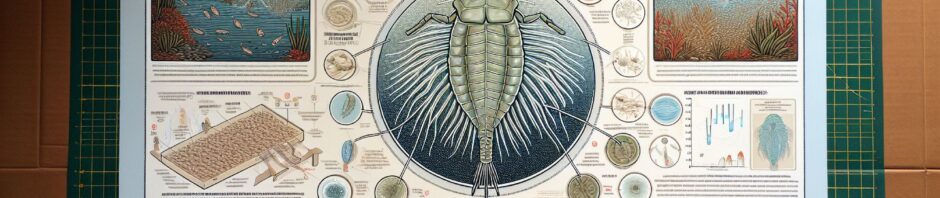
Aquatic ecosystems are a barometer for environmental health, closely reflecting the changes in our biosphere caused by natural and anthropogenic influences. Central to these ecosystems are small but mighty players that offer a wealth of information about the state of our waters: Daphnia. Often going unnoticed by the untrained eye, these planktonic organisms are pivotal both in maintaining the balance of aquatic food webs and serving as a primary tool for biomonitoring and gauging water quality.
This comprehensive dive into the world of Daphnia will unravel the intricacies of their biology, ecological role, and their importance in environmental assessment. Moreover, we’ll explore how these creatures can be used as water quality indicators and in toxicity testing, providing vital insights for ecotoxicology.
Understanding Daphnia: The Crux of Freshwater Ecosystems
Daphnia, commonly known as water fleas, are small, mostly transparent freshwater crustaceans that belong to the order Cladocera. They play a dual role in aquatic ecosystems: as filter feeders, they help maintain water clarity and as pivotal members of the food web, they form a bridge between primary producers and higher trophic levels.
Filter Feeders and Nutrient Cyclers
As filter feeders, Daphnia consume algae and other small particles from the water, effectively cleaning the environment as they go about their daily activities. Their filtration process contributes to nutrient cycling, as they repurpose the nutrients from the algae and channel them back into the ecosystem through their waste products.
Trophic Level Connectors
The role of Daphnia within trophic levels of the food web is equally significant. They feed on phytoplankton while being a primary food source for small fish and invertebrate predators. This places them at a critical juncture of energy transfer, essentially making them indispensable for the sustenance and growth of higher organisms in freshwater bodies.
Daphnia’s Remarkable Life Cycle
The life cycle of Daphnia exhibits fascinating biological phenomena such as parthenogenesis and sexual reproduction. When environmental conditions are favorable, they reproduce asexually, with females producing clones of themselves. This process allows for rapid population growth, enabling Daphnia to take advantage of abundant resources.
However, when conditions deteriorate, typically in the approach of winter or during times of stress, Daphnia switch to sexual reproduction. This results in the production of resting eggs, encapsulated within protective cases called ephippia. These resting eggs can withstand harsh conditions, ensuring the survival of the species until the environment becomes conducive to life once more.
Adaptation and Evolution
This combination of reproductive strategies has allowed Daphnia to adapt and evolve efficiently. Their rapid generation times enable quick responses to environmental pressures, which has implications for evolutionary adaptations and population dynamics.
Daphnia as Bioindicators: Monitoring Ecosystem Health
Biomonitoring is the science of using organisms to assess environmental quality. Daphnia, due to their sensitivity to changes in water conditions, are ideal bioindicators. Subtle variations in their population dynamics, growth rates, and reproduction can signal the onset of detrimental changes in the aquatic environment.
Water Quality Indicators
Several aspects make Daphnia well-suited for monitoring water quality. Their responsiveness to a range of pollutants, such as heavy metals, pesticides, and nutrients, can reveal the presence and impact of these substances on water bodies. Moreover, changes in Daphnia populations are often a precursor to broader ecological issues, such as eutrophication or the emergence of algal blooms.
Toxicity Testing
Daphnia are widely used in standardized toxicity testing, where they serve as a model organism to assess the acute and chronic effects of chemical pollutants. The ease of culturing Daphnia, along with their short life cycle, means they offer quick and reliable data on potential environmental hazards.
The Challenges of Eutrophication and Algal Blooms
One prevalent threat to freshwater ecosystems is eutrophication, the process by which a body of water becomes overly enriched with nutrients, leading to excessive plant and algal growth. This can cause a cascade of issues, including depletion of dissolved oxygen and the death of aquatic wildlife. Daphnia populations can mitigate the impact of eutrophication by feeding on algae, but an overwhelming bloom may eclipse their filtering capacity.
Climate Change and Temperature Effects
Climate change is also altering the delicate balance within freshwater ecosystems. Temperature is a crucial factor in the survival and reproduction of Daphnia. Rising water temperatures can influence their metabolic rates, life cycles, and the timing of reproductive phases. Monitoring these changes in Daphnia populations can provide valuable information on the broader impacts of climate change on aquatic life.
Leveraging Daphnia in Environmental Assessment and Conservation
The pivotal roles of Daphnia in aquatic ecosystems and as bioindicators in environmental assessment underline their importance in conservation efforts. By understanding and protecting these tiny custodians, we can preserve the health of our freshwater resources and the plethora of life they support.
Understanding the status of Daphnia populations could guide conservation policies, habitat restoration initiatives, and pollution control measures, safeguarding biodiversity and ecosystem services.
Conclusion
Daphnia might be small, but they have a massive impact on freshwater ecosystems and serve as windows into the health of our environment. Their complex life cycle, sensitivity to pollutants, and role in the aquatic food web make them powerful allies in the quest for sustainable management and conservation of water resources.
Sources
- Lampert, W. (2011). Daphnia: Development of a Model Organism in Ecology and Evolution. Excellence in Ecology Book 21, International Ecology Institute.
- De Meester, L., Jansen, M., & Den, S. M. (2005). The Water Flea Daphnia. In Nature’s Versatile Engine: Insect Flight Muscle Inside and Out (pp. 1-12). Landes Bioscience.
- U.S. Environmental Protection Agency (2020). “Ecological Exposure Research – Aquatic Toxicity Testing,” https://www.epa.gov/chemical-research/ecological-exposure-research-aquatic-toxicity-testing.