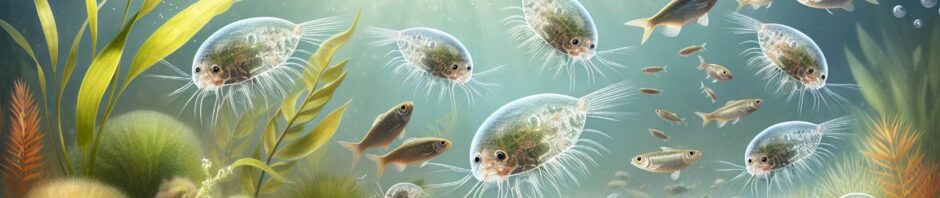
Freshwater ecosystems are diverse habitats home to a variety of species, each playing a crucial part in maintaining ecological balance. One such entity, often invisible to the naked eye but essential to the health and stability of aquatic environments, is Daphnia. Commonly referred to as water fleas, these minute freshwater crustaceans serve an instrumental purpose that far exceeds their diminutive size. As water quality indicators, Daphnia provide invaluable insights into the health of aquatic ecosystems. This article delves into the fascinating world of Daphnia, their life cycle, ecological role, and how they are vital components in biomonitoring and ecotoxicology.
Introduction to Daphnia
Daphnia, part of the order Cladocera, are small planktonic crustaceans found in a variety of freshwater environments, such as ponds, lakes, and streams. Typically ranging from 0.2 to 5 mm in length, these aquatic invertebrates are renowned for their filter-feeding capabilities and their ability to reproduce both sexually and asexually through parthenogenesis.
The Life Cycle of Daphnia
The life cycle of Daphnia is fascinating, characterized by both sexual and asexual reproduction. Under favorable conditions, they reproduce asexually, with females producing eggs that develop into clones of the mother without the need for fertilization. However, when environmental conditions deteriorate or when seasonal changes cue a response, Daphnia switch to sexual reproduction. During this phase, males are born, and fertilized eggs are produced, which are encased in a protective structure called an ephippium, allowing them to withstand harsh conditions.
Ecological Significance
In aquatic ecosystems, Daphnia play a critical role in several areas:
-
Planktonic Organisms: As a key element of zooplankton, Daphnia are central to nutrient cycling and the aquatic food web. By consuming algae and serving as prey for many fish species, they occupy a crucial position within trophic levels.
-
Filter Feeders: Daphnia help control algal populations, thereby reducing the likelihood of harmful algal blooms that can lead to eutrophication.
-
Biomonitoring Agents: Owing to their rapid response to toxins, Daphnia are often used in toxicity testing and environmental assessments. They are sensitive to a variety of stressors, including chemical pollutants, temperature changes, and dissolved oxygen levels, making them excellent indicators of water quality.
-
Research Organisms: Researchers have utilized Daphnia for studies in ecotoxicology, evolutionary biology, and population dynamics, due to their quick life cycles and ease of cultivation in a laboratory setting.
Daphnia as Indicators of Water Quality
One of the most invaluable aspects of Daphnia is their capacity to indicate ecosystem health. They are extremely sensitive to alterations in water quality, and their populations can offer early warning signs of environmental distress.
Biomonitoring Through Daphnia
Biomonitoring is the use of living organisms to assess environmental conditions, particularly the quality of habitats and the presence of contaminants. Daphnia are excellent bioindicators due to their acute sensitivity to changes in their environment, such as pH, temperature, dissolved oxygen levels, and the presence of toxic substances.
Toxicity Testing and Ecotoxicology
Ecotoxicology is the study of the effects of toxic chemicals on biological organisms, particularly regarding their impact on population, community, and ecosystem levels. Dahnia serve as model organisms in toxicity testing, which evaluates the impact of various substances on living organisms. Because of their fast reproductive rates and sensitivity to pollutants, Daphnia are pivotal in acute and chronic toxicity tests, helping to determine the potential risks of chemicals found in the environment.
Testing protocols, such as the Daphnia acute immobilization test and the reproduction test, are standardized techniques used worldwide to assess the toxicity of water samples or chemical substances. These tests measure factors such as immobilization, reproduction rate, and growth, providing critical data on environmental hazards.
Daphnia: A Keystone of Aquatic Ecosystems
The presence and health of Daphnia populations can have a far-reaching impact on the broader food web dynamics and nutrient cycling within freshwater systems.
Influencing Food Web Dynamics
As a primary consumer, Daphnia represent a bridge between primary producers like algae and higher trophic levels, including fish. The stability of Daphnia populations can directly influence fish populations and overall biodiversity within aquatic habitats, a role that highlights the importance of these minute crustaceans in maintaining the ecological balance.
The Effects of Predator-Prey Interactions
Predator-prey interactions involving Daphnia are complex and pivotal to the stability of aquatic environments. Daphnia must contend with a wide variety of predators, such as fish, insects, and larger zooplankton. These interactions can drive evolutionary adaptations and behavioral responses in Daphnia, such as changes in size, reproduction rates, and diel vertical migration—a daily movement pattern to avoid predation.
Climate Change and Daphnia Populations
Climate change presents new challenges for Daphnia populations, including temperature effects that influence metabolic rates, life cycles, and the balance of predator-prey dynamics. As environmental stewards, we must recognize the importance of these subtle yet significant creatures and consider their health and well-being as an indicator of the health of the planet as a whole.
Research and Conservation
Ongoing research on Daphnia contributes to our understanding of aquatic ecosystems and aids in the development of conservation strategies. Data gleaned from studies involving Daphnia can lead to more informed decisions regarding environmental policies and interventions, helping to protect freshwater habitats from degradation and pollution.
Conclusion
The unassuming Daphnia, often overlooked in our assessments of environmental vitality, play a pivotal role in the health and functioning of freshwater ecosystems. Their contributions to biomonitoring, ecotoxicology, nutrient cycling, and the freshwater food web affirm their importance. Conservation efforts must consider the subtle interconnectedness of aquatic life and the silent yet vital input of organisms like Daphnia.
Sources
- Ebert, D. (2005). Ecology, Epidemiology, and Evolution of Parasitism in Daphnia. National Center for Biotechnology Information (NCBI), Bethesda MD.
- U.S. Environmental Protection Agency. (2002). Methods for Measuring the Acute Toxicity of Effluents and Receiving Waters to Freshwater and Marine Organisms. Washington, DC.
- Cáceres, C. E., & Tessier, A. J. (2004). To sink or swim: variable diel vertical migration in Daphnia in response to predators. Behavioural Ecology, 15(6).
Taking time to appreciate and understand creatures like Daphnia indeed deepens our perception of the intricate dance of life within aquatic environments and underscores our responsibility to protect these vital watery worlds for generations to come.