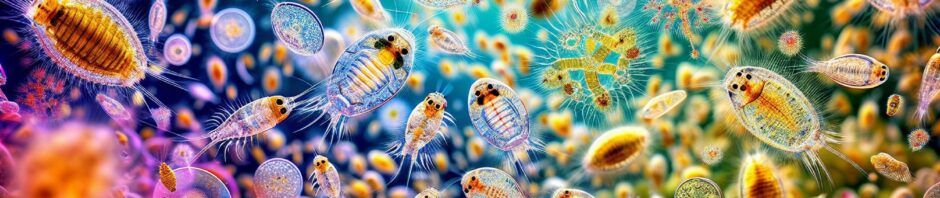
The world is a magnificent place full of wonderful creatures, all with their unique roles and functions. In the vast tapestry of life, one often overlooked gem in the sea is zooplankton. Zooplankton are the tiny unsung heroes of the aquatic world, serving as the cornerstone of the food web, supporting entire ecosystems with their presence. Let’s embark on an epic microscopic journey and explore the fascinating world of zooplankton.
Decoding the Microscopic Marvels
Zooplankton, a term derived from the Greek zoe (life) and planktos (wanderer), are essentially the wandering lifeforms of the aquatic world[[^1^]]. They are microscopic organisms that drift along the currents in oceans, seas, and bodies of fresh water. Despite their minuscule size, their impact is enormous and undeniable. They filter water, recycle nutrients, and are the primary meat of the meal in aquatic food chains.
The Role of Zooplankton in the Aquatic Food Chain
Zooplankton are often the link between the primary producers (plants and algae) and the larger aquatic predators, such as fish and whales. This places them right in the middle of the food web. Herbivorous zooplankton consume phytoplankton (microscopic plants) and convert their energy into a form that can be utilized by larger species[[^2^]].
Carnivorous zooplankton, on the other hand, feast on other smaller zooplankton. In the food web matrix, their loss could lead to an increase in phytoplankton and a decrease in larger predatory species, thus disrupting the delicate balance of ecosystems.
Zooplankton Diversity: An Underwater Spectrum
The zooplankton community is rich and diverse, with species ranging from tiny protozoans to larger macrozooplankton. Some of the most common types of zooplankton include copepods, rotifers, and cladocerans, also known as water fleas. Each of these classes of zooplankton has its unique characteristics and ecological importance. For instance, copepods play a key role in recycling nutrients in the water, while cladocerans help control algal blooms by feeding on algae.
Zooplankton and Climate Change: Adaptive Wonders
Climate change is causing drastic shifts in global temperatures that significantly impact aquatic life. Zooplankton, in particular, are feeling the crunch as a warmer ocean can decrease their population density. However, despite these challenges, these tiny creatures have shown an incredible capacity to adapt. Studies suggest that some species of zooplankton have evolved to become smaller in response to increased water temperatures, demonstrating their remarkable ability to adjust to environmental changes [[^3^]].
Biomonitoring and Water Quality: Zooplankton as Indicators
Another integral role of zooplankton is in biomonitoring and water quality assessment. Zooplankton community composition, abundance, and diversity offer insight into the overall health of an aquatic ecosystem. Changes in these parameters can indicate the presence of environmental stressors, making zooplankton a valuable tool for monitoring water pollution and toxicological tests.
Conservation and Sustainability: A Call to Action
The delicate balance of aquatic ecosystems is being threatened by human activities, posing significant challenges to zooplankton populations. Overfishing, plastic pollution, and chemical contaminants are all contributing to the decline of these crucial marine organisms. As we advance further into the modern world, conserving and protecting the diversity and health of zooplankton populations becomes more crucial than ever.
Zooplankton: they are tiny, yet titanic in their ecological importance. Their role in nutrient recycling, supporting the food web, and serving as a water health indicator mark their vital presence in the aquatic world. As we continue to discover and appreciate these minuscule marvels, it reminds us of the importance of every creature — and why every creature, big or small, deserves our respect and protection.
[^1^]: Oregon State University: Zooplankton
[^2^]: Oceanic Institute of Nova Scotia: Marine Food Chain
[^3^]: Nature Climate Change: Adaptation of Phytoplankton to a Decade of Experimental Warming Linked to Increased Biomass