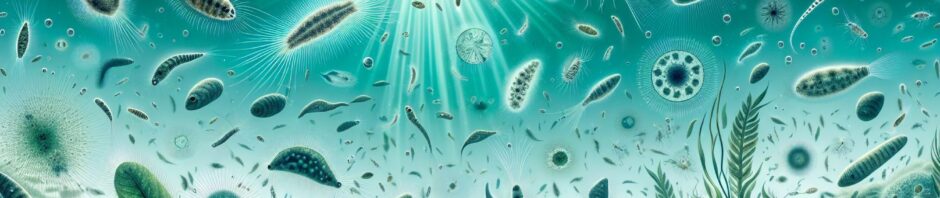
Zooplankton, the tiny organisms that float aimlessly with currents in aquatic ecosystems, are often overlooked and underappreciated. Despite their minute size, these planktonic organisms play an integral role in the marine food web dynamics, nutrient cycling, and even serve as vital water quality indicators. This comprehensive dive into the world of zooplankton will explore their diversity, life cycles, ecological importance, and how they can help us assess the health of aquatic environments.
What Is Zooplankton?
Zooplankton encompasses a diverse array of microscopic and macroscopic organisms that drift in water bodies, including oceans, lakes, and ponds. They serve as the primary consumers in aquatic food chains, feeding on phytoplankton or other zooplankton, and in turn, are prey for a myriad of sea creatures, from tiny fish to whales.
The Diversity of Zooplankton
Zooplankton species range from single-celled protozoans to complex multicellular animals such as jellyfish. Within this broad category, creatures are often grouped into two classes based on their size:
- Microzooplankton: These are typically less than 200 micrometers and include species such as ciliates and dinoflagellates.
- Macrozooplankton: These can reach sizes up to a few centimeters and include crustaceans such as krill, copepods, and amphipods.
Life Cycle and Reproduction
Zooplankton exhibit a range of reproductive strategies:
Sexual Reproduction
A common method among multicellular zooplankton, sexual reproduction usually involves the production of eggs and sperm, resulting in genetic diversity that can be essential for the species’ survival in changing environments.
Parthenogenesis
Some species are capable of asexual reproduction, known as parthenogenesis. This is where females produce offspring without the need for fertilization by a male.
Life Cycle Complexity
Zooplankton often undergo complex life cycles. For instance, many species experience various larval stages before reaching adulthood. The larval stages can differ drastically in appearance and habitat preference compared to the adult stages.
Zooplankton and Aquatic Ecosystems
Zooplankton are crucial in maintaining the health and stability of aquatic ecosystems.
Trophic Levels
Zooplankton form a critical component of the aquatic food web, acting as an intermediary between primary producers like phytoplankton and larger predators. Their role in the transfer of energy up the food chain is instrumental in the functioning of marine and freshwater ecosystems.
Nutrient Cycling
By consuming phytoplankton, zooplankton recycle nutrients back into the water column when they excrete waste. This process can enhance the productivity of aquatic environments by increasing the availability of essential nutrients such as nitrogen and phosphorus.
Predator-Prey Interactions
The interactions between zooplankton and their predators are complex and impact population dynamics greatly. Predator-prey relationships are important for maintaining the balance within the ecosystem.
Zooplankton as Water Quality Indicators
Due to their sensitivity to changes in their environment, zooplankton populations can be used as indicators of water quality. Changes in the composition, abundance, and diversity of zooplankton communities can signal shifts in water quality and help identify the presence of pollutants.
Biomonitoring
Biomonitoring with zooplankton involves observing and recording the status of their populations to assess the health of an aquatic system. This method is cost-effective and provides valuable data on the impacts of environmental stressors.
Toxicity Testing
In ecotoxicology, zooplankton species, particularly Daphnia, are often used in laboratory toxicity tests to determine the impact of chemical pollutants on aquatic life. Because they are sensitive to changes in their environment, these tests can help in assessing the potential risks posed by new chemicals before they are introduced into water bodies.
Environmental Assessment
Regular assessment of zooplankton communities can inform policy decisions and mitigation strategies aimed at protecting aquatic environments. By analyzing trends in zooplankton populations, environmental scientists can infer the long-term health and resilience of ecosystems.
Challenges Faced by Zooplankton
Despite their resilience, zooplankton populations face several threats, mainly from human activities.
Algal Blooms
Excessive nutrient runoff from agriculture or wastewater can lead to algal blooms, which can deplete oxygen levels in water and produce toxins that negatively affect zooplankton.
Eutrophication
Eutrophication, a process resulting from nutrient over-enrichment, can cause shifts in zooplankton community structure and reduce biodiversity, affecting the entire food web.
Chemical Pollutants
Various chemical pollutants, including pesticides, heavy metals, and microplastics, can be detrimental to zooplankton health, affecting their survival, reproduction, and behavior.
Temperature Effects
Global warming and changes in water temperatures can influence zooplankton distribution, population dynamics, and reproductive patterns, which may have cascading effects on aquatic food webs.
Evolutionary Adaptations
To cope with these challenges, zooplankton may undergo evolutionary adaptations over time. However, the rapid rate of environmental change may outpace their ability to adapt.
Conclusion
Zooplankton are vital for the health and sustainability of aquatic ecosystems. As water quality indicators and key players in the food web, their presence and well-being are closely tied to the environment they inhabit. The study of zooplankton populations helps in understanding and predicting the impacts of environmental changes and human activities on aquatic ecosystems. Sustaining diverse and robust zooplankton communities is, therefore, not only central to the conservation of marine life but is also essential for maintaining the resilience of these invaluable global resources.
References
- Thorp, J. H., & Covich, A. P. (Eds.). (2010). Ecology and classification of North American freshwater invertebrates. Academic Press.
- Lampert, W., & Sommer, U. (2007). Limnoecology: The ecology of lakes and streams. Oxford University Press.
- Boyd, C. E. (2015). Water quality: An introduction. Springer.
Using zooplankton as a focal point, this article accentuates their integral role in aquatic ecosystems and as water quality indicators, emphasizing why these minute organisms must not be neglected in environmental conservation efforts.